Kinship in the (Un)Making

Yazarlar (1)
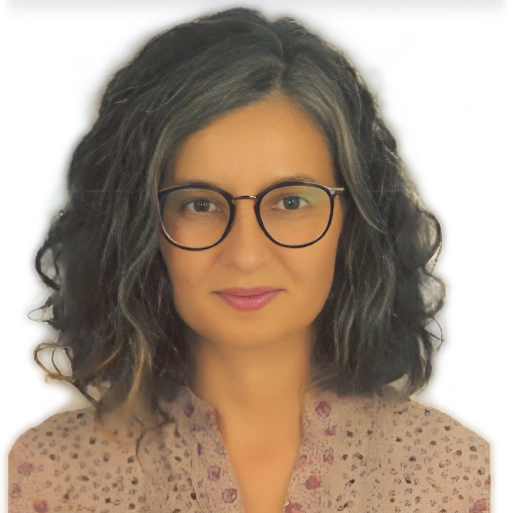
Dr. Öğr. Üyesi Özgül AKINCI Beykoz Üniversitesi, Türkiye
| Makale Türü | Diğer (Teknik, not, yorum, vaka takdimi, editöre mektup, özet, kitap krıtiği, araştırma notu, bilirkişi raporu ve benzeri) (SCOPUS dergilerinde yayınlanan teknik not, editöre mektup, tartışma, vaka takdimi ve özet türünden makale) | ||
| Dergi Adı | Journal of Autoethnography | ||
| Dergi ISSN | 2637-5192 Scopus Dergi | ||
| Dergi Tarandığı Indeksler | Scopus | ||
| Makale Dili | İngilizce | Basım Tarihi | 04-2022 |
| Cilt / Sayı / Sayfa | 3 / 2 / 254–257 | DOI | 10.1525/joae.2022.3.2.254 |
| Makale Linki | http://dx.doi.org/10.1525/joae.2022.3.2.254 | ||
| UAK Araştırma Alanları |
Kültürel Psikoloji
|
||
| Özet |
| 1. We are at home. O2 and I. We are participating in an online gathering. I share a sweet anecdote of O and I with the group. Someone asks,“Are you, two, mother and daughter?” with affection in her voice.“No,” I say,“we are lovers.” Affection is replaced by loud laughter immediately punctuating the end of the conversation while my answer “we are lovers” lingers in our virtual space. Our relationship status with O is suddenly out in the open, giving hiccups to always-already functioning heteronormative mind. A sense of pride accompanies being gently forced to make a statement about my intimate bond. I know that we are at a safe space. Yet, I also know that erotic love between women always has a surplus value in the language of desire, waiting to be claimed by, be rescued from, and be uttered performatively. This is the queer “bound by the social field we occupy together, the queer that cannot avoid contamination … |
| Anahtar Kelimeler |
